








There are moments in parenting when the questions come out of nowhere. You’re halfway through breakfast or strapping someone into a car seat, and suddenly you’re asked something enormous: Why isn’t Grandma here anymore? Why are we moving? Why does the baby get so much attention?
For parents, these moments can feel loaded. Naturally, you want to be honest without overwhelming them. And more often than not, you’re still working through the change yourself.
The truth is, there’s no single “right” way to talk to young children about difficult topics. But there are ways to make those conversations feel calmer, clearer, and more supportive for everyone involved.
With guidance from Zahra Bhanji, Early Childhood Teacher and Leader of Education and Training at Sage Early Education Centre, here’s how to approach big conversations with toddlers and preschoolers in a way that builds understanding and trust over time.
1. Start by listening, not explaining
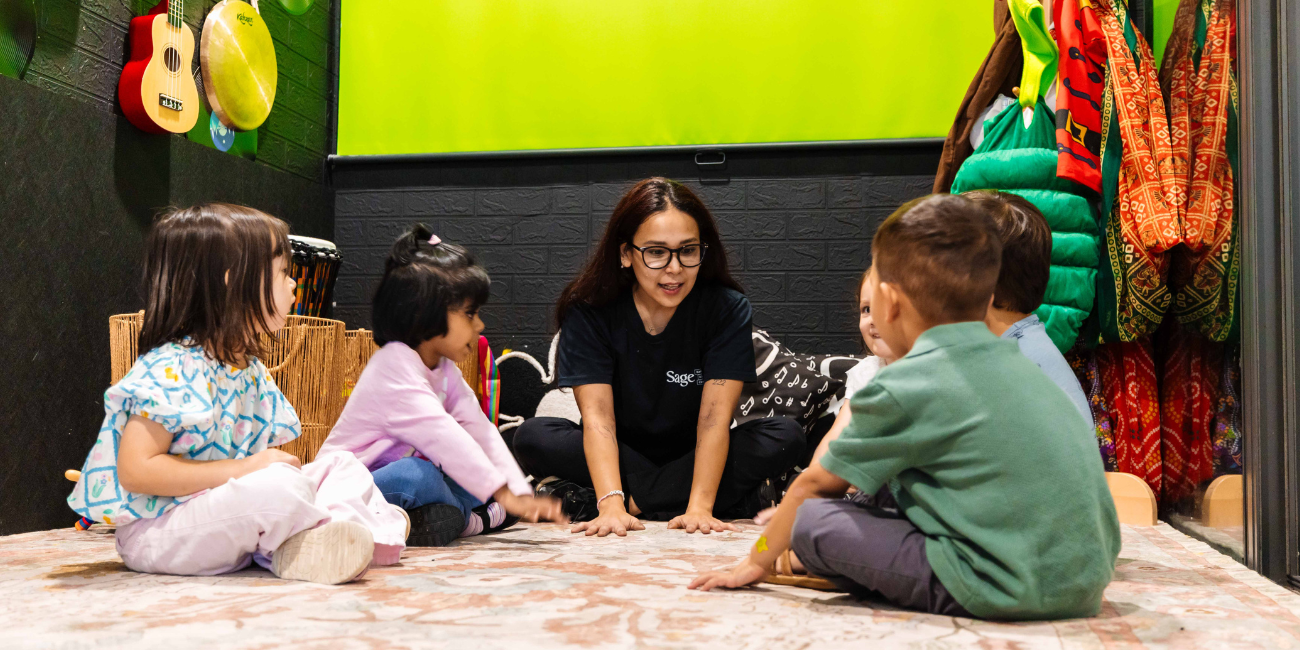
One of the most common mistakes parents make when approaching a difficult topic is assuming their child needs a full explanation straight away. In reality, children often need something much simpler: to be heard.
Zahra tells us, “One area that parents may forget when having difficult conversations with young children is the importance of listening to their child, and finding out what they know and what they are wanting to know.”
Taking the time to listen to their thoughts, feelings, and questions helps guide the conversation in a way that’s meaningful, rather than overwhelming.
2. Tailor the truth to their stage
Parents often worry about saying too much too soon. But according to Zahra, there isn’t a specific age when these conversations should begin. Instead, it’s about tuning into your child’s awareness and responding in ways they can understand.
“Parents know their children best and will start to understand their child’s awareness of concepts as they grow.” Zahra explains. “The key would be to ensure conversations are age appropriate [such as] using words, language, and concepts children could understand.”
Zahra also place an emphasis on acknowledging their ages. “With toddlers, difficult conversations will likely be kept short and simple and can be had during activities or reading a storybook. Preschoolers may be more likely to have questions and be able to participate in back and forth conversations.”
In both cases, the aim isn’t to explain everything at once, but to share information gradually in ways that match their developmental stage.
3. Be honest even when it's uncomfortable

One of the most effective conversations Zahra has witnessed involved a family explaining the death of a close relative to their preschool-aged child. What stood out wasn’t the exact wording, but the approach.
“I can recall a family who had to have a difficult conversation with their preschool child about a close family member passing away." Zahra shared. "What I found great about this parent’s approach was how they listened to and validated their child’s feelings, and were honest with how they were also feeling.”
That level of honesty, Zahra notes, helped build trust and gave the child a sense of emotional safety during a difficult time.
4. Prepare yourself before you begin
Before starting a difficult conversation, Zahra encourages parents to check in with themselves first. “Children tend to pick up on their parents’ emotional state so it is helpful when parents can have a clear and calm state of mind (where possible) before having difficult conversations.“
Taking time to process your own feelings can help you approach the conversation with more calm and clarity. It can also be helpful to think about what you want your child to take away from the discussion.
5. Let stories and play open the door
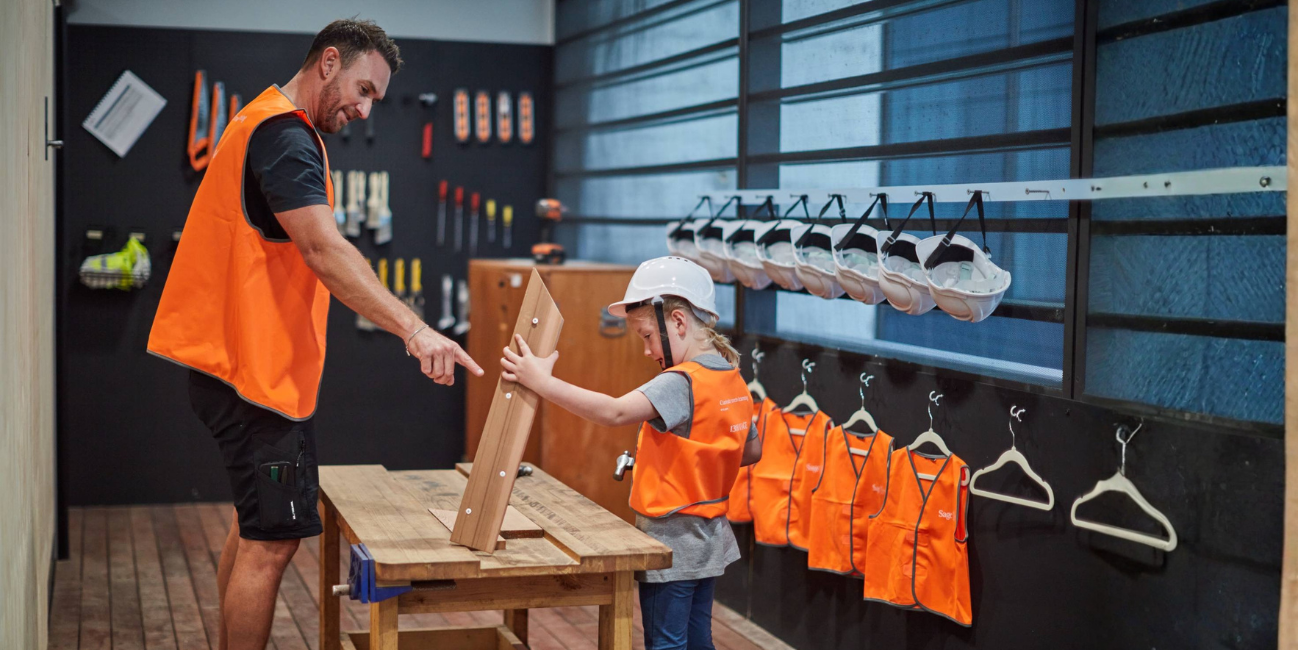 Not every conversation needs to begin with direct explanation. Storybooks and play can be powerful tools for gently introducing difficult topics.
Zahra suggests using stories or play scenarios as a way to ease into conversations, particularly with younger children. “Storybooks or play scenarios are often good conversation starters for children. See if there are any storybooks or activities that can support you in easing into the conversation.“
Books about moving house, welcoming a new sibling, or dealing with loss can provide language and emotional distance, making it easier for children to express what they’re feeling.
6. Stay present after the talk is over
Difficult conversations don’t always end when the talking stops. Children may continue processing in ways that aren’t immediately obvious.
Changes in behaviour, sleep patterns, or eating habits can sometimes indicate that a child is struggling to make sense of something. They may become more withdrawn, more emotional, or more easily overwhelmed than usual.
When this happens, Zahra advises parents to focus on presence rather than problem-solving. “What parents can do next is provide support for their child by being present for them, opening up to conversations, provide them with comfort and emotional support, [and] listen to them when they are sharing their thoughts and feelings.“
By meeting your child where they are, you’re laying the groundwork for open communication long into the future, even when the topics feel anything but simple.
Find your support network at Sage Early Education Centre
At Sage EEC, educators like Zahra work closely with families to support children through life’s big transitions, whether that’s welcoming a new sibling, navigating change at home, or making sense of loss. By listening carefully, responding with age-appropriate honesty, and creating emotionally safe spaces, they help children feel secure enough to ask questions and express what they’re feeling.
Book a tour to discover how Sage EEC creates a nurturing environment where children feel safe to express themselves, and parents feel just as supported.


